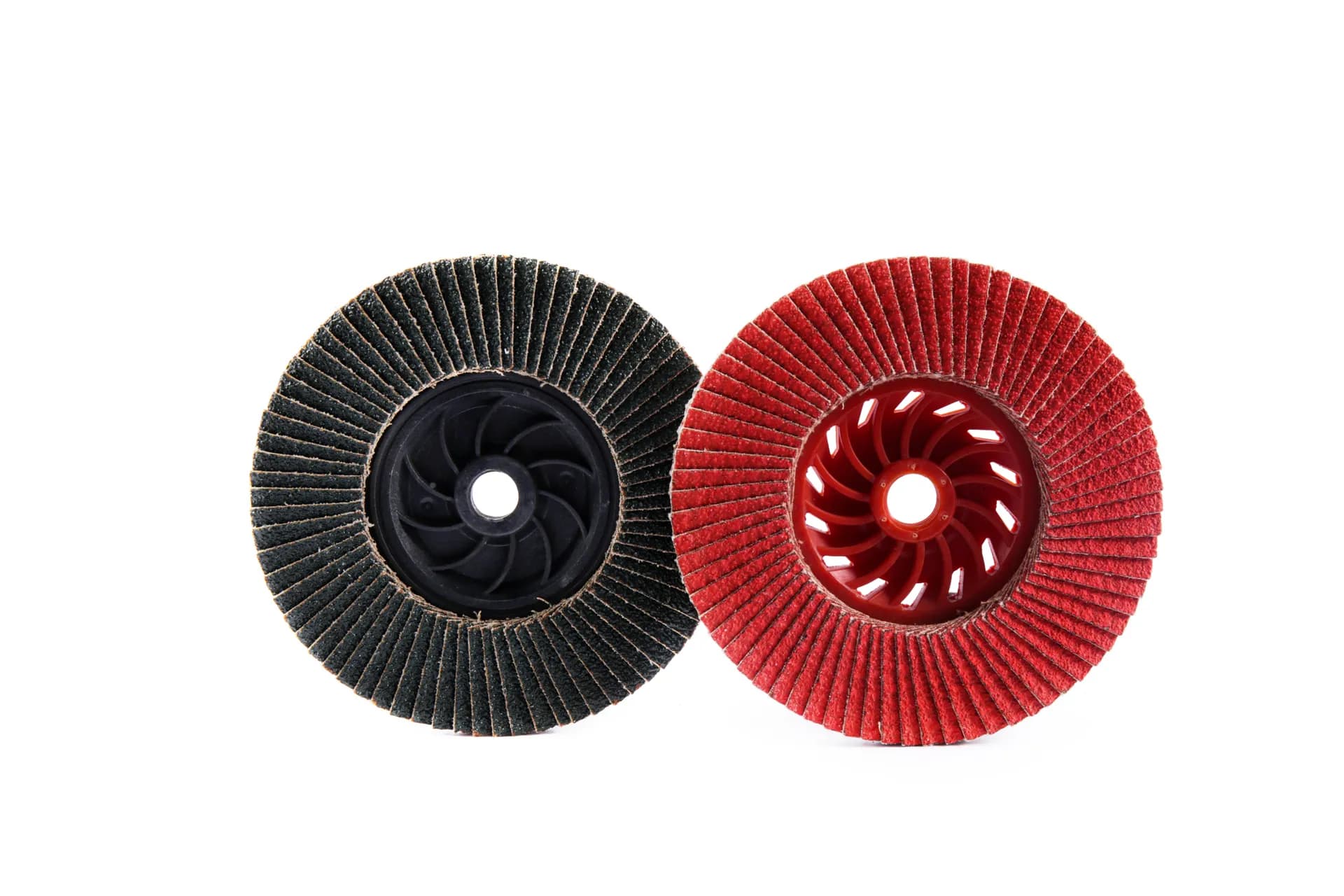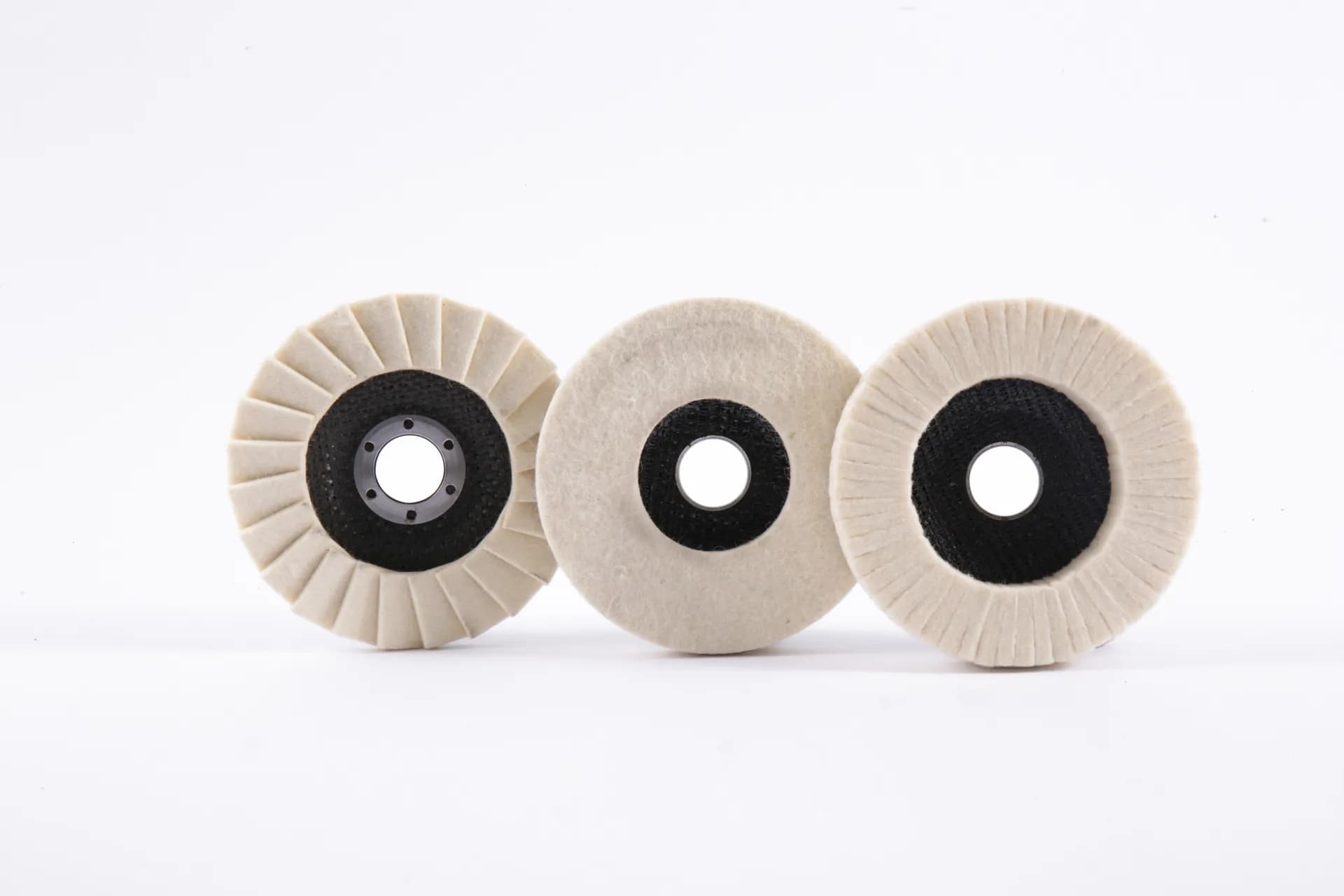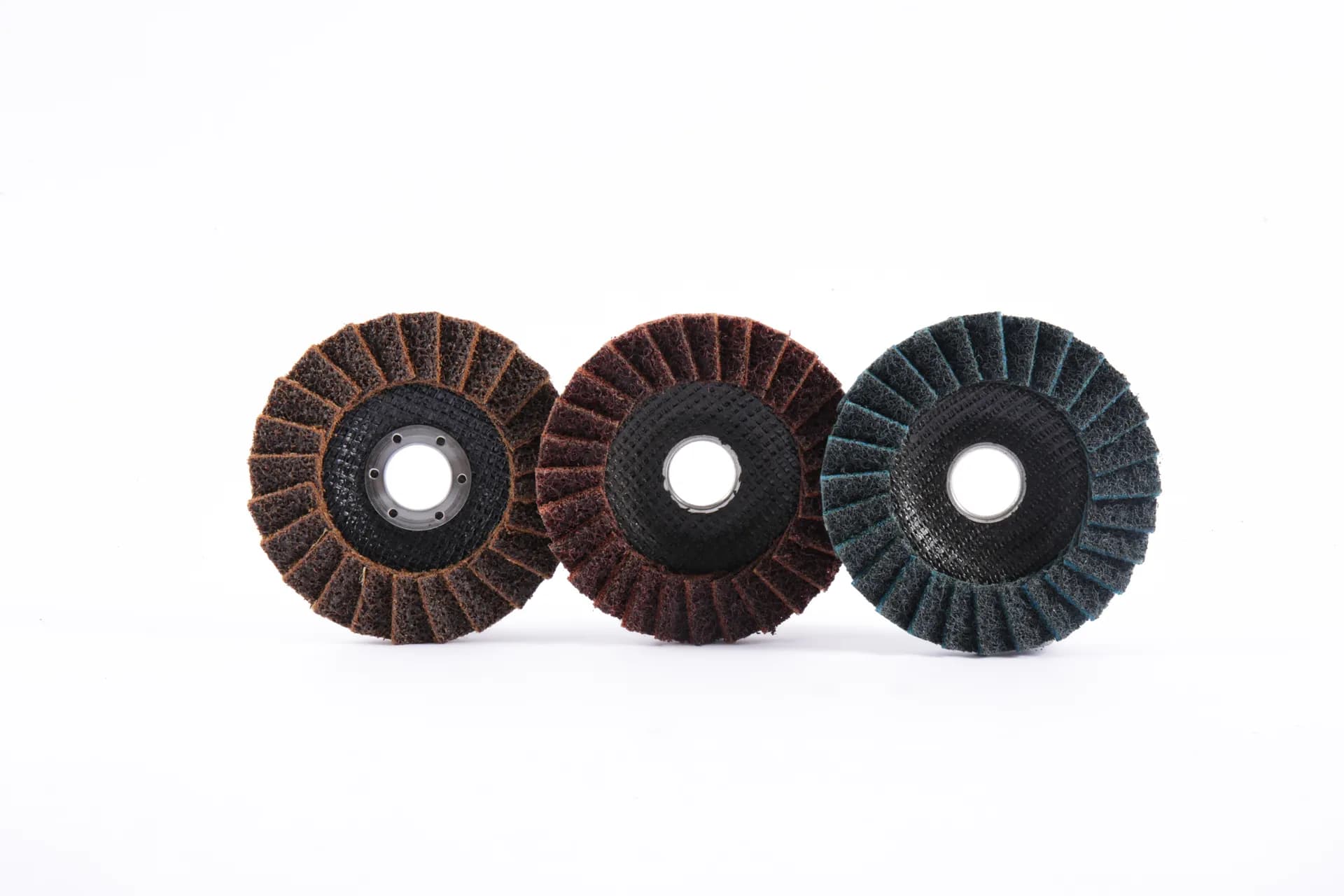
Every week our inbox fills with the same question from new buyers: "Which grain should I stock?" The honest answer is that there is no single best grain — there is only the right grain for your customer's material, pressure and budget. This guide condenses what our engineers tell every OEM partner.
Aluminium Oxide — The Volume Workhorse
Aluminium oxide is the entry point of every flap-disc programme. It cuts carbon steel and sheet metal reliably, tolerates low-pressure DIY use, and carries the lowest unit cost. If your market is hardware chains, general fabrication or price-sensitive distributors, this is the SKU that moves pallets.
Zirconia — The Professional Standard
Zirconia grain self-fractures under pressure, continuously exposing fresh cutting edges. It runs cooler and lasts roughly three times longer than aluminium oxide on stainless and alloyed steels. For professional fabrication shops, zirconia is the default choice across Europe and North America.
Ceramic — The Performance Ceiling
Ceramic grain is engineered with a micro-crystalline structure that fractures in controlled, microscopic increments. The result is the coolest cut, the longest life and the most consistent finish — especially on heat-sensitive alloys, nickel steels and chrome.
Rule of thumb from our lab: if the work piece discolours or the disc glazes, the buyer needs to move one grain level up — not one grit level down.
The Decision Framework
- Carbon steel, DIY, price-driven: Aluminium Oxide, grit 40–80.
- Stainless & alloy steel, professional: Zirconia, grit 40–120.
- High-alloy, heat-sensitive, cost-per-part buyers: Ceramic, grit 36–180.
- Titanium, stone, glass, non-ferrous: Silicon Carbide.
Still unsure? Send us a photo of your customer's application and we will recommend a specification — usually within one working day.
Questions about this topic?
Our export team answers technical and sourcing questions within 24 hours.